

The Rise of AI Agents in CRM, Support, and Automation
Introduction
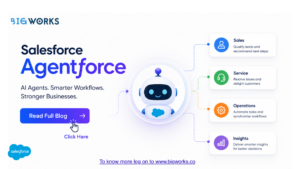
Salesforce is no longer positioning AI as just another productivity feature. With Agentforce, the company is redefining how work gets done by introducing AI agents that can reason, make decisions, and execute tasks across CRM workflows.
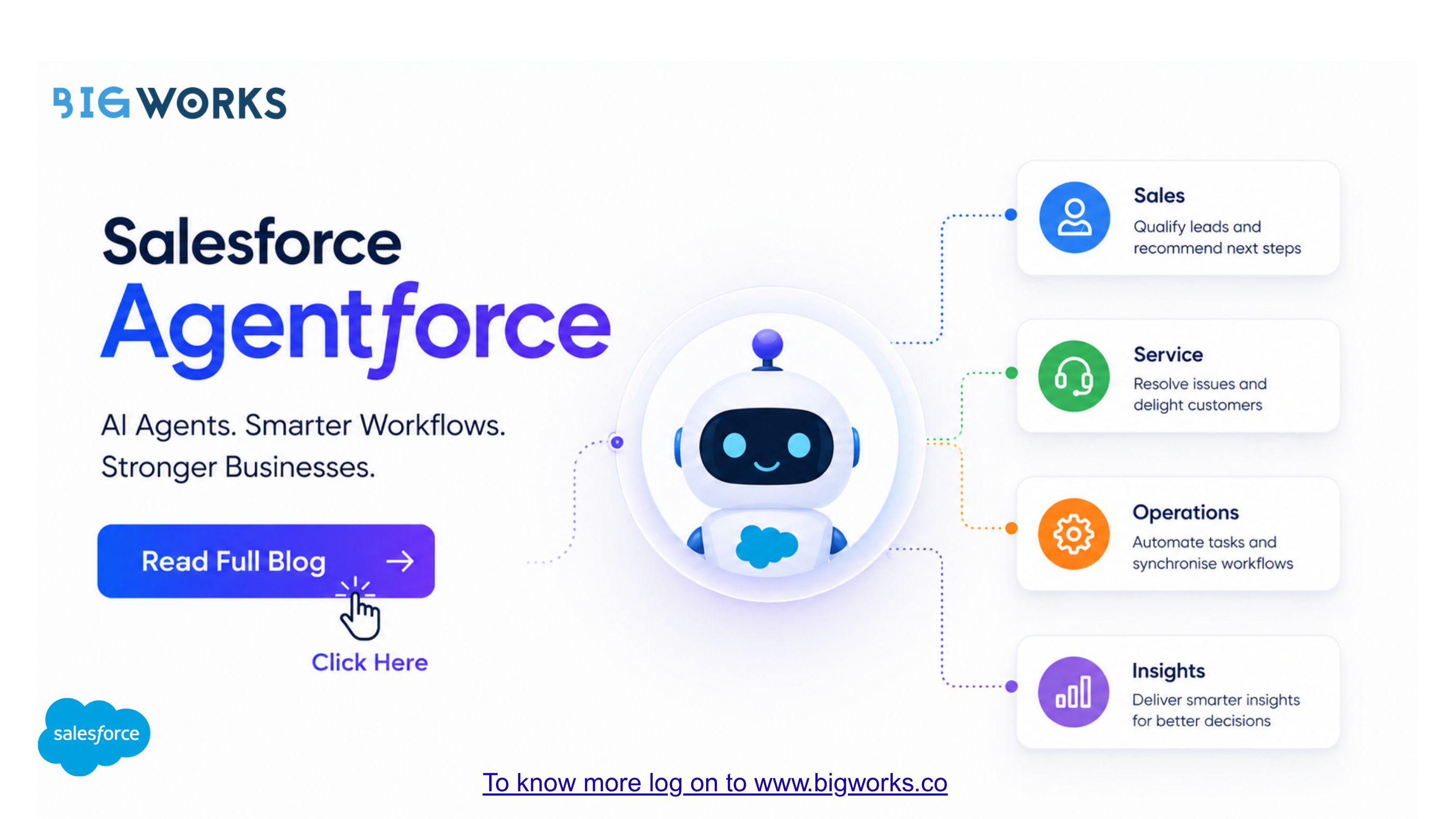
From customer support and sales to operations and internal processes, Salesforce is building an agentic enterprise where humans and AI collaborate on everyday work. Agentforce Operations, announced in April 2026, further strengthens this vision by enabling AI agents to trigger workflows, synchronise data, and automate multi-step business processes.
For businesses, the message is clear: the future of CRM is no longer about managing records. It is about orchestrating intelligent workflows.
From CRM System to AI Execution Platform
Traditional CRM platforms focused on storing customer information and tracking interactions. Agentforce shifts that role by allowing AI agents to actively participate in business operations.
Instead of simply surfacing insights, AI agents can:
- Qualify incoming leads
- Summarise customer conversations
- Recommend next actions
- Trigger workflows
- Resolve routine service requests
Salesforce is positioning these agents as digital teammates that reduce repetitive work while allowing employees to focus on strategic decisions.
Why This Matters for Enterprise Workflows
Businesses today are struggling with disconnected systems, manual approvals, and fragmented customer information.
Agentforce addresses these challenges by combining CRM data, automation, and AI into one workflow.
According to Salesforce, customers using the Agentforce 360 Platform are already leveraging AI agents and automation to create unified customer profiles and reduce operational complexity.
The result is:
- Faster customer responses
- Reduced manual effort
- Better operational visibility
- More consistent decision-making
AI Is Only as Good as the Data Behind It
While AI agents are becoming more capable, they rely heavily on structured and accessible business data.
This includes:
- Customer records
- Documents
- Emails
- Tasks
- Historical interactions
If these assets are spread across different systems, AI cannot deliver reliable recommendations or automation. Preparing data is becoming just as important as deploying AI itself.
Organisations that invest in clean, connected, and well-governed CRM data today will be better positioned to unlock the full value of AI-powered workflows tomorrow.
Looking Ahead
Salesforce’s investment in Agentforce signals a broader industry shift toward AI-first operations. Recent product launches and strategic acquisitions reinforce the company’s vision of combining trusted data, automation, and AI agents into a unified platform.
As AI capabilities continue to mature, businesses will need to move beyond isolated automation and build connected ecosystems where customer data, documents, communication, and workflows work together seamlessly. The organisations that establish these foundations now will be able to adopt future AI innovations faster, improve operational efficiency, and deliver more personalised customer experiences.
Conclusion
Agentforce represents more than another AI feature. It marks a fundamental shift in how CRM platforms will operate in the years ahead. Instead of simply storing customer information, Salesforce is transforming CRM into an intelligent execution platform where AI agents actively support business processes across sales, service, and operations.
For organisations planning their digital transformation strategy, preparing for this shift starts with building connected workflows, maintaining high-quality data, and eliminating operational silos. Businesses that invest in these foundations today will be best equipped to capitalise on the next generation of AI-driven enterprise workflows.