

Agent Assist AI: Why Customer Support Teams Cannot Compete Without AI-Augmented CRMs
Introduction
Customer support has shifted from being a cost centre to a critical brand differentiator. Customers now expect faster responses, accurate resolutions, and consistent experiences across channels. At the same time, support teams are dealing with higher ticket volumes, more complex queries, and growing pressure to reduce resolution time without increasing headcount.
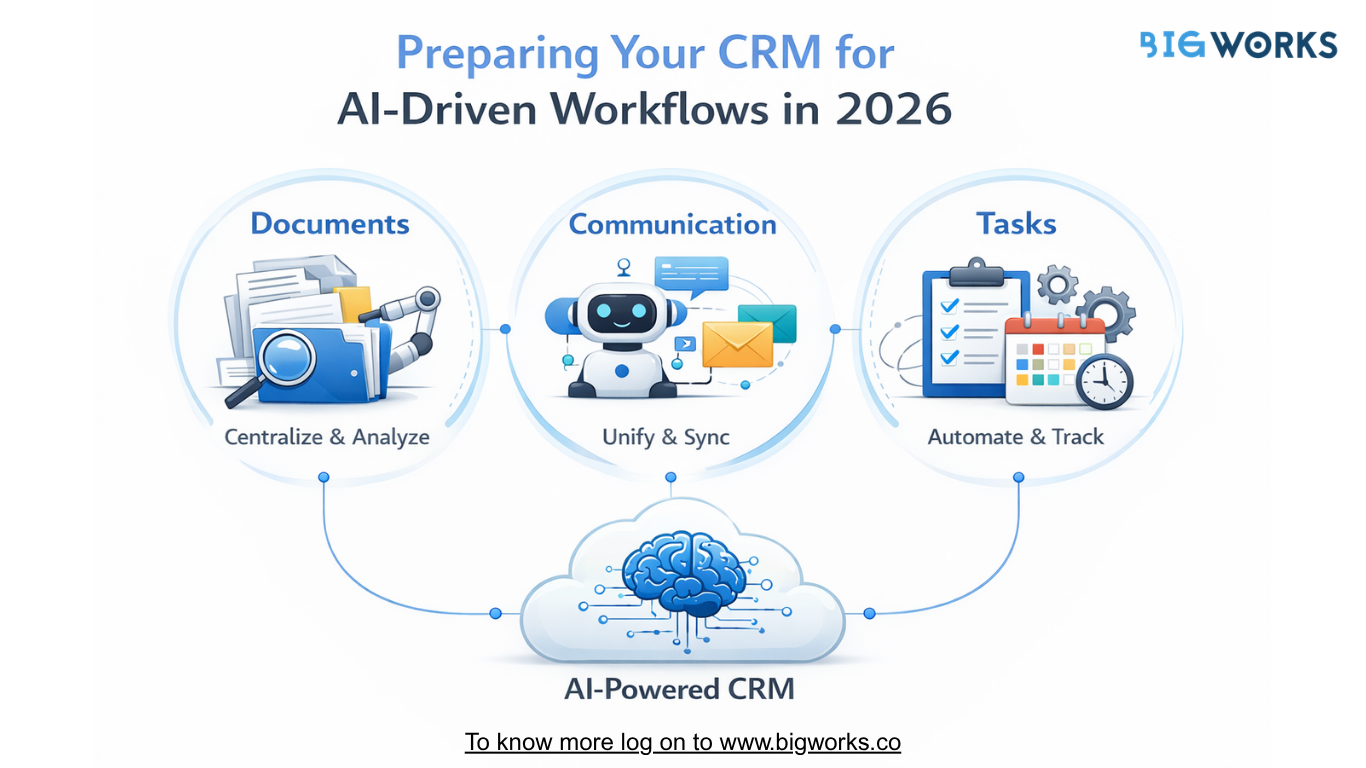
This is where Agent Assist AI becomes essential. AI-powered CRMs are no longer just systems of record. They are becoming systems of intelligence that actively support agents during live customer interactions. Teams that rely only on manual workflows and static CRM data are finding it increasingly difficult to keep up.
What Is Agent Assist AI
Agent Assist AI refers to AI capabilities embedded within CRM platforms that support customer service agents in real time. Instead of agents searching through past tickets, documents, or customer histories manually, AI surfaces relevant insights instantly.
Key Agent Assist capabilities include:
- Real-time case summarisation
- Suggested responses based on historical data
- Contextual customer insights pulled from CRM records
- Automated next-best-action recommendations
- Sentiment analysis during live conversations
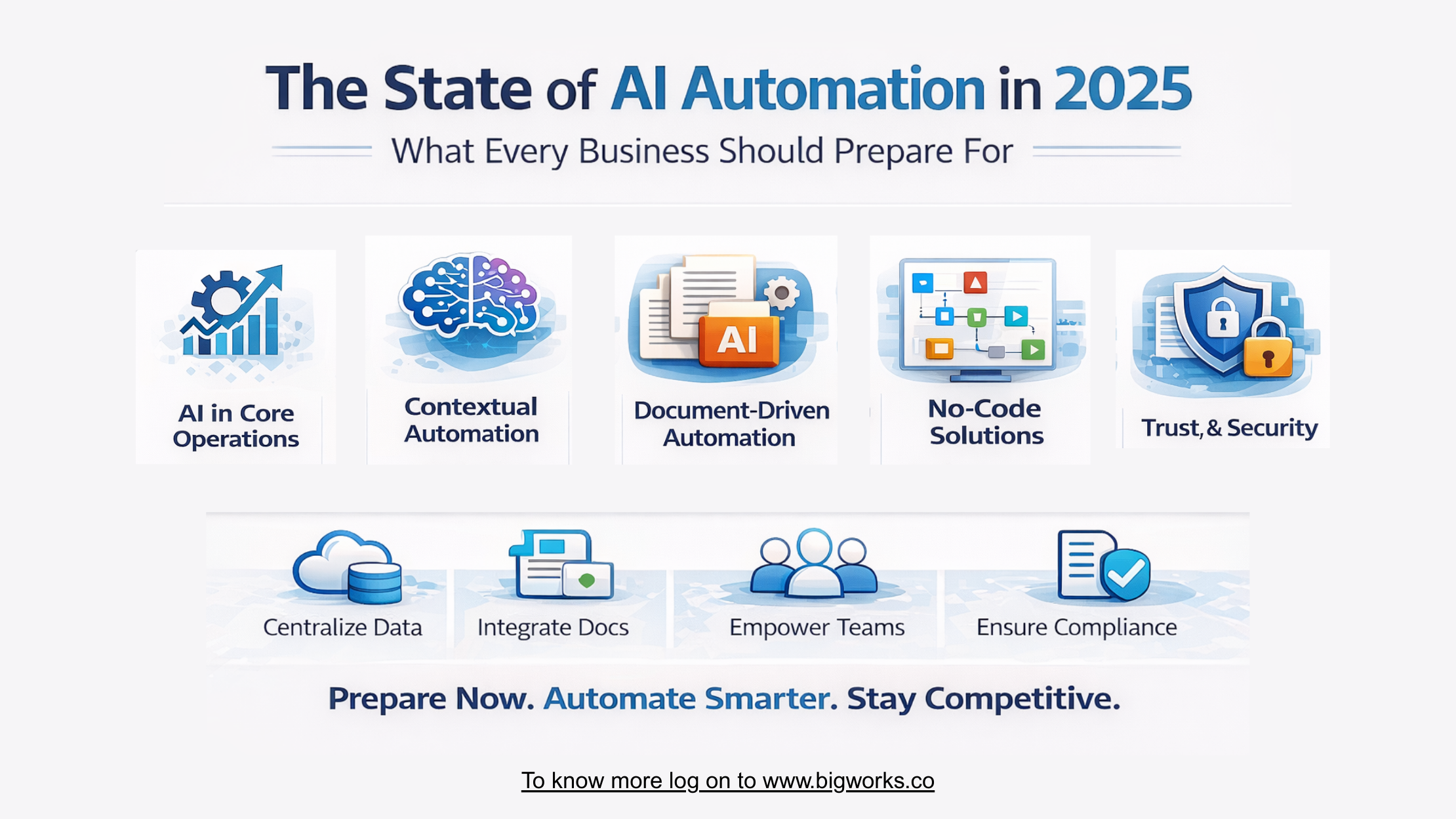
According to Gartner, by 2026, AI-driven agent assistance will increase customer service productivity by at least 30 percent.
Source: https://www.gartner.com/en/newsroom/press-releases/2023-10-11-gartner-predicts-ai-driven-agent-assistance
Why Traditional CRMs Are No Longer Enough
Legacy CRM systems were designed primarily for data storage and reporting. While they track customer interactions, they do not actively help agents during conversations.
This creates several challenges:
- Agents spend excessive time searching for information
- Inconsistent responses across agents and teams
- Longer average handling times
- Increased training time for new hires
- Higher agent burnout
A Salesforce study found that 78 percent of service agents say they struggle to balance speed and quality without intelligent tools.
Source: https://www.salesforce.com/resources/research-reports/state-of-service/
Without AI augmentation, CRMs become passive databases rather than productivity enablers.
How Agent Assist AI Changes the Support Experience
AI-augmented CRMs fundamentally change how agents work. Instead of reacting, agents are guided throughout the interaction.
Faster Resolution Times
AI instantly analyses customer history, previous cases, and communication patterns to surface the most relevant information. This reduces time spent switching between systems.
Consistent and Accurate Responses
By recommending responses based on approved knowledge and past successful resolutions, AI helps maintain consistency across the support team.
Reduced Training Dependency
New agents can perform at a higher level faster because AI guides them through complex cases in real time.
According to McKinsey, organizations using AI in customer service have seen up to a 40 percent reduction in handling time.
Source: https://www.mckinsey.com/capabilities/operations/our-insights/ai-powered-customer-service
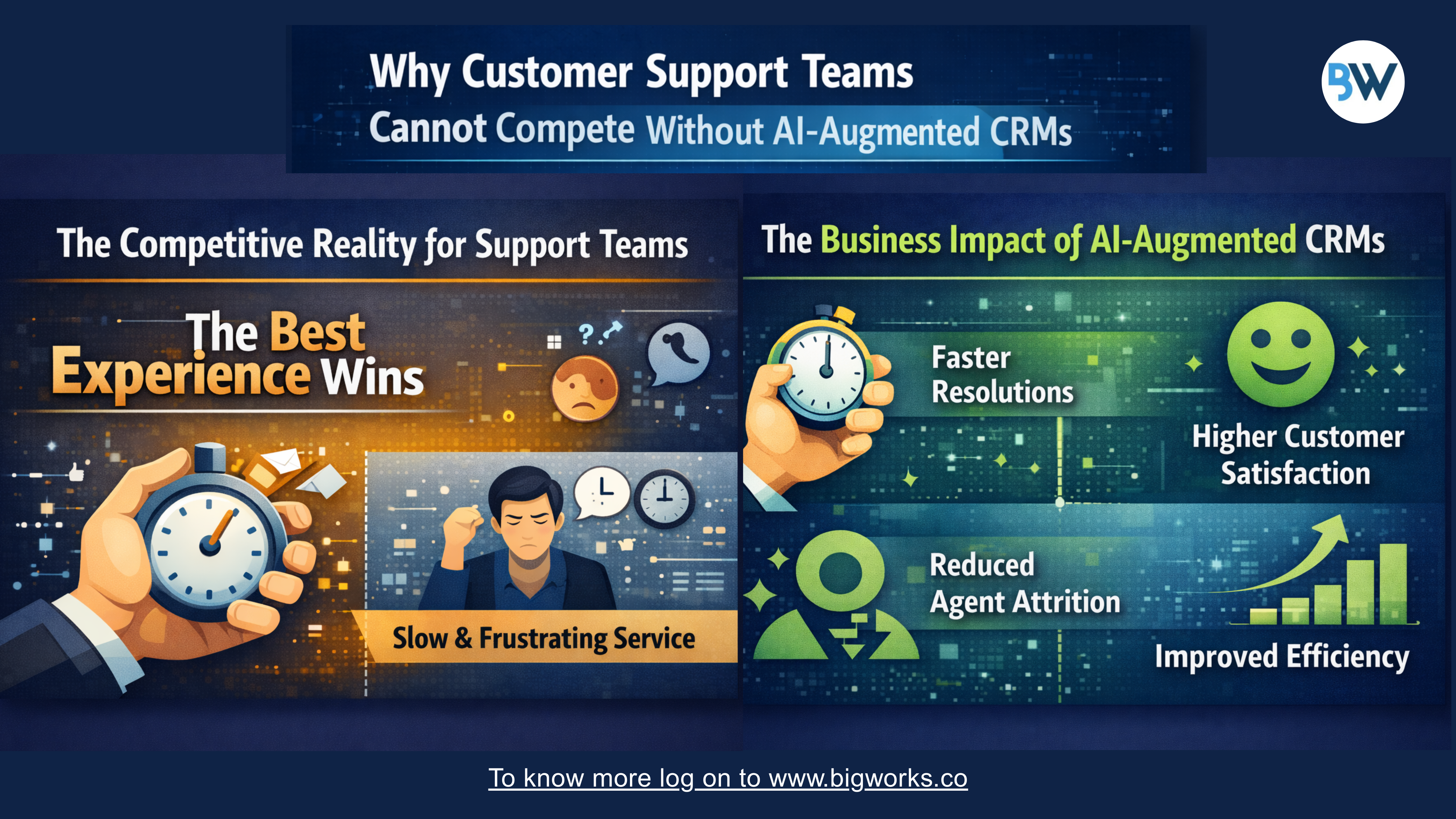
The Competitive Reality for Support Teams
Customers do not compare your support team to your competitors anymore. They compare you to their last best experience.
If one brand resolves an issue in minutes with contextual awareness and another takes hours with repetitive questioning, the difference is clear.
A PwC study shows that 32 percent of customers will stop doing business with a brand after just one bad experience.
Source: https://www.pwc.com/gx/en/services/consulting/experience-is-everything.html
Support teams without AI-assisted CRMs are operating at a structural disadvantage.
The Business Impact of AI-Augmented CRMs
Organisations adopting Agent Assist AI see measurable outcomes:
- Faster first response and resolution times
- Higher customer satisfaction scores
- Lower agent attrition due to reduced cognitive load
- Improved operational efficiency without increasing team size
For leadership teams, this translates to predictable service performance and better ROI from existing CRM investments.
Conclusion
AI-augmented CRMs enable agents to work smarter, respond faster, and deliver consistent experiences at scale. Teams that delay this shift risk falling behind competitors who are already redefining customer support with intelligent systems.
The question is no longer whether to adopt Agent Assist AI, but how quickly it can be embedded into existing CRM workflows.